Ren'Py is a free, open-source engine for making visual novels and other story-driven games. You can use it for a commercial release. Its launcher gives you a working project, and a short script can already display dialogue, characters and choices. The bigger indie-development challenge is turning that first scene into a finished game with original art, clean audio, tested builds and a store page that tells players what they will get. Start with the Ren'Py listing on NeonRoof, then follow the workflow below. Want to compare notes with other creators? Join the NeonRoof Discord.
Start with one playable scene
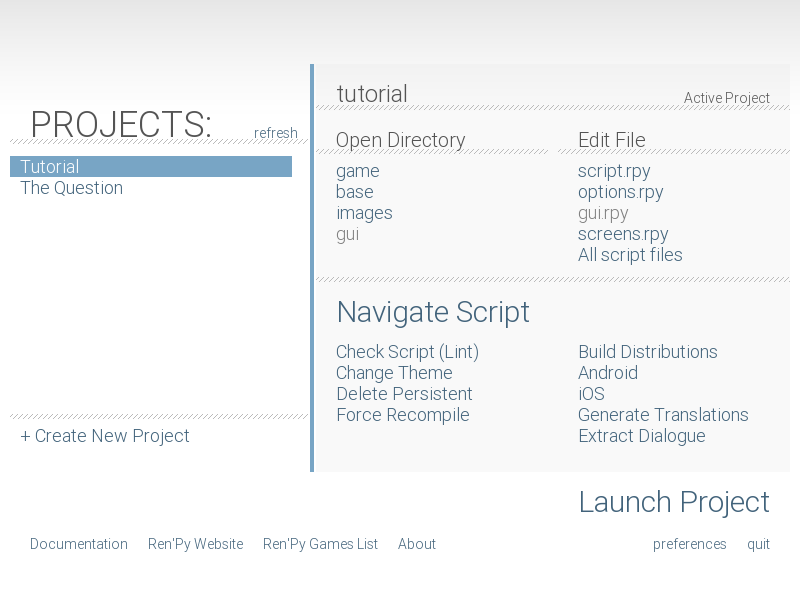
Open the Ren'Py launcher, create a project and run the sample before changing anything. The official Ren'Py quickstart walks through `script.rpy`, character definitions, dialogue, images and a menu choice. Your first goal is not a sprawling branching epic. Write an opening with a clear premise, two character voices and one choice that changes the next exchange. Play it from the beginning. Ask someone unfamiliar with the story what they think happened.
That test is valuable because visual novels live or die by pacing. An illustration cannot rescue a scene whose purpose is unclear, and a giant asset list cannot tell you whether a choice feels meaningful. Prototype with placeholders, then replace them deliberately. Ren'Py can also use Python for more elaborate systems, but you do not need to learn Python to write a basic dialogue-and-choice game.
Give the story a visual identity
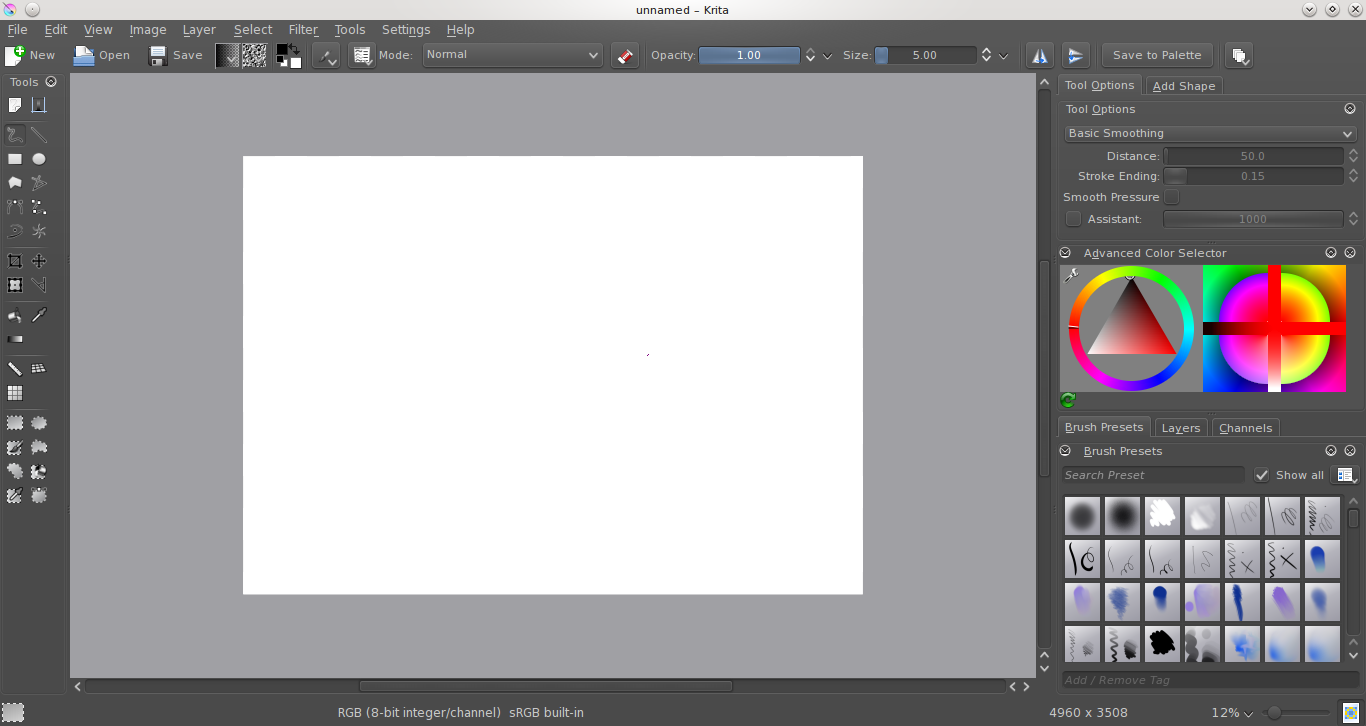
Krita is a practical place to paint characters, expressions, backgrounds and key art. Keep expressions on consistent canvas sizes and name files so you can find them later. GIMP is useful for cropping, cleaning up scans and exporting transparent images. Blender can help if you want to render a room or object as a background reference, but a visual novel does not require 3D assets. Pick the look you can actually sustain across the whole story.
Build a tiny art guide before drawing chapter two: a palette, two or three reference frames, sprite dimensions and rules for text legibility over backgrounds. Also check the rights to every font, texture and sound you did not create. The fact that Ren'Py is open source does not grant rights to somebody else's game assets.
Make voices and music sit comfortably together
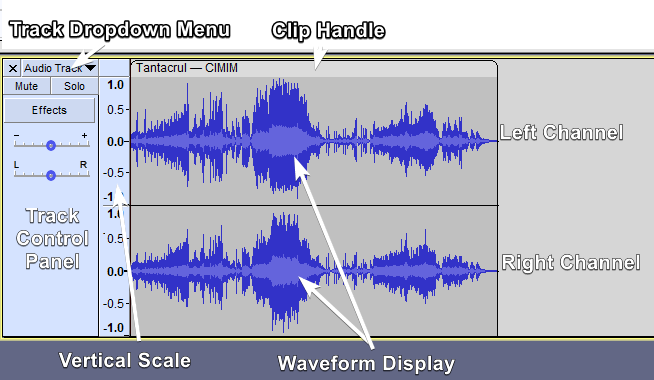
Audacity lets you trim dialogue, remove obvious pauses and inspect levels. Record a short test before committing to a full voice cast. Read one emotional scene through headphones and through laptop speakers. If a musical cue hides a line, lower the cue or leave space for the line. For a small team, a few clean sounds and restrained music are often more effective than a noisy soundscape.
Capture the game players will really see
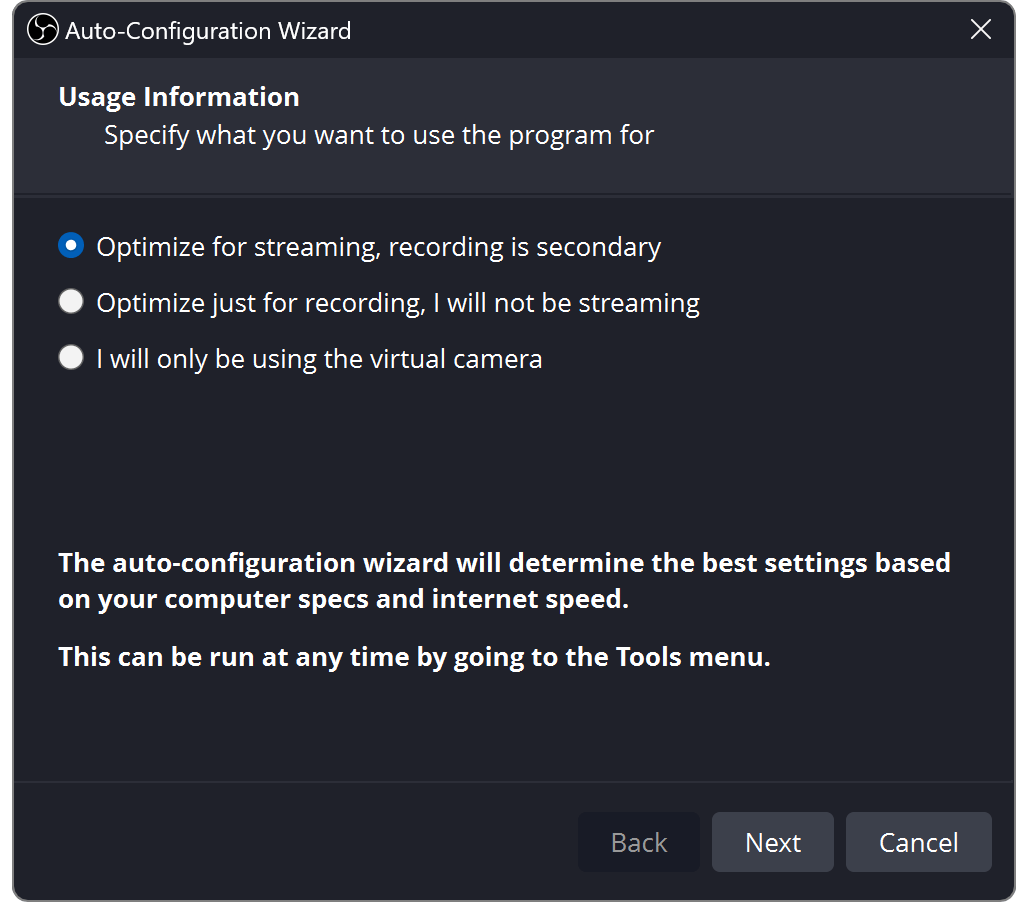
Use OBS Studio to record a real playthrough for a trailer. Show an actual dialogue choice, readable UI and the game's visual rhythm. A poster made of concept art is not a substitute for gameplay. Our screenshots and trailer checklist covers what to capture for a store listing, while the indie toolchain guide puts art, audio and release work into a larger plan.
When your demo feels stable, use Ren'Py's build-distribution guide to package a release and test the result on another machine. Verify saves, display scaling, audio and the exact files in the archive. If you plan to localize, design the script for it early and consult the official translation guide. A localized store description should describe a game that players can actually play in that language.
From first scene to a discoverable release
Your NeonRoof page should answer the same questions a player would ask: What is the premise? How long is the demo? Which platforms work? What choices matter? Add real screenshots, a clear cover and a trailer when you have one. Link the demo, the full game and the developer's own site consistently. See where indie developers can publish PC games and the wider free game-development software guide for the rest of the release path. Developers can begin at NeonRoof's developer page.
Ren'Py questions, answered
Is Ren'Py free and open source? Yes. The engine is free to use, including for commercial games. Most engine code is under MIT terms, but some portions and dependencies have different licenses. Read the official license and notices for the version you ship.
Do I need Python to make a Ren'Py game? No. You can make a simple visual novel with Ren'Py script, dialogue and menus. Python becomes useful for more advanced game logic.
What can I publish? Ren'Py supports desktop builds and offers mobile and web options with platform-specific requirements. Test the intended target and review the current official distribution documentation before promising a platform on your store page.
Which tools pair well with it? Start with the ones a real gap calls for: Krita or GIMP for art, Audacity for audio, OBS for gameplay capture, and Blender only if 3D or rendered scenes serve the story. The engine is one part of the production pipeline, not the entire pipeline.
Image sources: Ren'Py documentation, Krita, Audacity manual, and OBS Studio guide. Screenshots show the actual tools.
No comments yet. Start the conversation with a useful, on-topic response.